
PROBLEMATIC INGREDIENTS TO AVOID IN WATER-BASED AND
SILICONE-BASED LUBRICANTS
Not all lubricants are created equal. Many mass-market formulas, both water-based and silicone-based, contain ingredients that can irritate vaginal tissue, disrupt the microbiome, or increase the risk of infections.
Here’s what to look out for in each category.
Ingredients to Avoid in Water-Based Lubricants
1. Glycerin (Glycerol)
Use: A sugar alcohol frequently added for moisture retention and to make a formulation more ‘slick’.
Concerns:
- High sugar environments can feed Candida, therefore increasing yeast infection risk and disrupting vaginal flora
- Linked to irritation in women with sensitive or disrupted vaginal flora
- Not recommended for women prone to BV, UTIs, or recurrent thrush
2. Propylene Glycol
Use: A humectant and “slip” enhancer.
Concerns:
- Can cause burning or stinging
- Draws moisture from vaginal cells causing dryness over time
- Frequently reported to cause irritation in women with sensitive vulvar tissue
3. Parabens (Methylparaben, Propylparaben, Butylparaben)
Use: Preservatives used to prevent bacterial growth and improve shelf stability.
Concerns:
- Act as endocrine disruptors*
- Increasingly avoided in intimate products due to sensitivity and long-term safety uncertainty
- Can increase irritation for sensitive users
4. Chlorhexidine
Use: A potent disinfectant found in some KY-style lubes as a preservative.
Concerns:
- Kills lactobacilli
(the “good” vaginal bacteria) - Associated with increased risk of BV
(bacterial vaginosis) - Highly irritating to mucosal tissue
- A damaged microbiome means higher inflammation and more infections.
5. Nonoxynol-9
Use: A spermicide found in some “contraceptive” lubes.
Concerns:
- Causes micro-abrasions in vaginal lining
- Increases risk of irritation and inflammation
- Can increase STI transmission risk due to epithelial disruption
(Source: World Health Organization; CDC)
6. High-Osmolality Formulas
Mass-market water-based lubes (e.g., KY Jelly, Astroglide) are hyper-osmolar, meaning they draw moisture out of vaginal cells.
This can cause:
- Burning, rawness and inflammation
- Micro-tears
- Thinning of the vaginal lining
- Increased infection susceptibility
A WHO review found that hyper-osmolar lubricants were associated with epithelial damage and recommended avoiding them in intimate products.
*An endocrine disruptor is a chemical substance, natural or man-made, that can interfere with the body’s endocrine (hormonal) system by mimicking hormones, blocking them, or altering how they are made, transported, or broken down. This interference can lead to adverse health effects in humans and wildlife, including issues with development, reproduction, neurological function, and immune response.

Ingredients to Avoid in Silicone-Based Lubricants
Silicone lubes tend to be simpler, but not all are clean. Some brands combine cheap silicones with additives to cut costs
1. Cyclomethicone (Cyclopentasiloxane / D4, D5, D6)
Use: A volatile silicone found in cheap formulations.
Concerns:
- Evaporates quickly → less glide, more friction
- Considered a potential endocrine disruptor
- Can cause irritation for sensitive skin
- Being restricted in some regions due to bioaccumulation concerns
2. Flavouring Agents (Artificial Flavours, Sweeteners)
Use: Often added to novelty lubes.
Concerns:
- Irritating to vaginal tissue
- Sweeteners can disrupt pH and flora
- No clinical benefit
3. Colourants + Dyes
Use: Purely aesthetic.
Concerns:
- Associated with irritation and allergic reactions
- No purpose in intimate products
- Many are not designed for mucosal contact
4. Fragrance / Parfum
Use: A major cause of vulvar irritation.
Issues:
- Contains dozens of unlisted chemicals
- Can alter the vaginal pH
- Highly irritating to mucosal tissue
- Also an endocrine disruptor
Fragrance-free is a non-negotiable for safe internal use.
5. Preservatives in Hybrid Silicone/Water Lubes
Use: Some “hybrid” lubes blend silicone with water, meaning preservatives are required.
Common problematic preservatives:
- Benzalkonium chloride (irritating disinfectant)
- Phenoxyethanol (can cause burning/stinging internally)
These hybrids are often marketed as “the best of both,” but ingredients must be checked carefully.
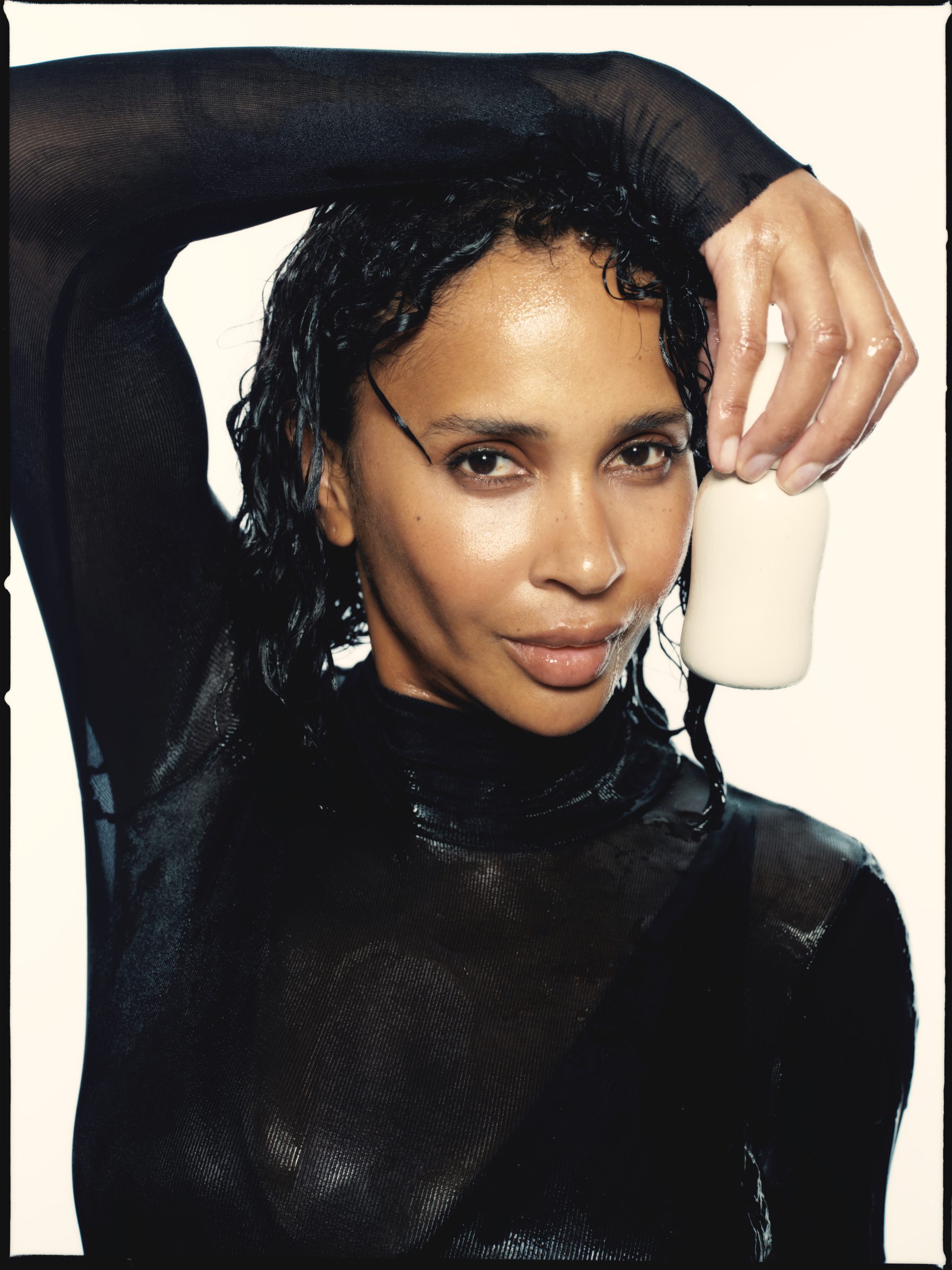
Why This Matters
Your vagina isn’t just tissue, it’s a delicate ecosystem. It is one of the most absorbent, sensitive areas of the body and Ingredients that are fine for the skin on your arm can be disruptive to the skin inside your body.
Choosing a lubricant that supports, rather than stresses, your natural balance is essential.
Anything that disrupts its natural environment, pH, microbiome, moisture balance affects your comfort, arousal, infection risk and long term wellbeing.
It’s also why Ples’Jour® uses only two high-grade, hypoallergenic, microbiome friendly, safe, non-toxic ingredients (dimethicone + dimethiconol), free from:
Parabens
Glycerin
Propylene glycol
Fragrances, colouring
Preservatives
Harsh additives
Toxic chemicals
…so that what you put inside your body is as safe as it is beautiful.
I agree to receive the PLES’JOUR newsletter to be the first to know about new collections,
exclusive product launches, events and services available. By subscribing. I agree to the
PLES’JOUR Privacy Policy.
